
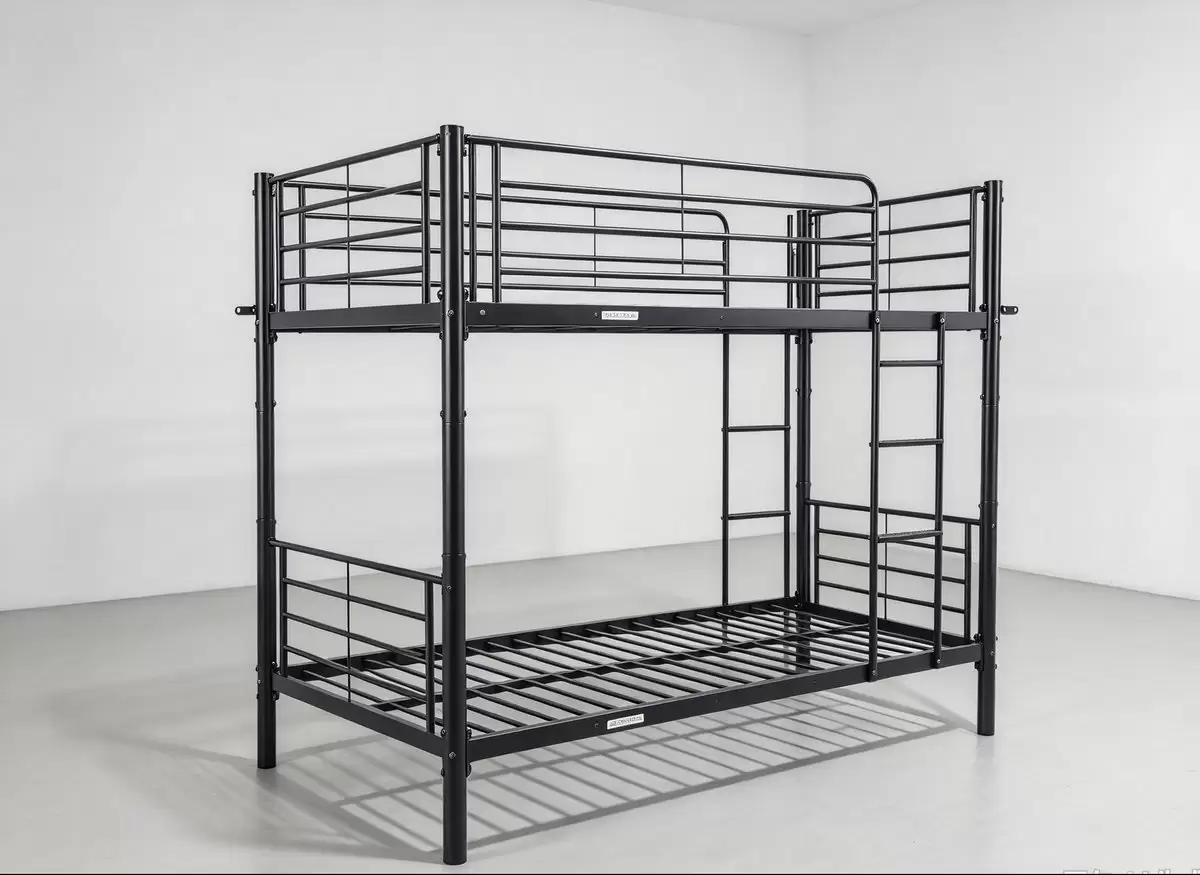
Bunk beds sold in Australia must meet AS/NZS 4220. It is one of the few furniture products covered by a mandatory consumer product safety standard, so a supplier's assurance is not enough on its own: ask for the test report. This guide explains what the standard covers, what changed in the June 2026 revision, and how our own steel bunk bed performed in independent laboratory testing.
Published: 30 September 2026 · Last updated: 30 September 2026
What is AS/NZS 4220?
AS/NZS 4220 is the joint Australian and New Zealand standard for bunk beds and other elevated beds (Standards Australia, 2026). It covers materials, construction, design, marking and performance. The first edition was published in 1994, a revision followed in 2010, and the current edition, AS/NZS 4220:2026, was published on 26 June 2026.
In Australia this standard is not voluntary. Bunk beds are regulated through Consumer Protection Notice No. 1 of 2003, a mandatory consumer product safety standard originally made under the Trade Practices Act 1974 and enforced today under the Australian Consumer Law (Queensland Government product safety guidance). Supplying a bunk bed that misses the mandatory requirements can mean a recall, penalties, and liability if someone gets hurt.
What does the standard test?
The items below come straight from our own laboratory report, so this is what a full test actually looks at, not just the summary line on a sales page.
| Test area | What is checked |
|---|---|
| Materials | Metals, coatings and plastic components (timber where used) |
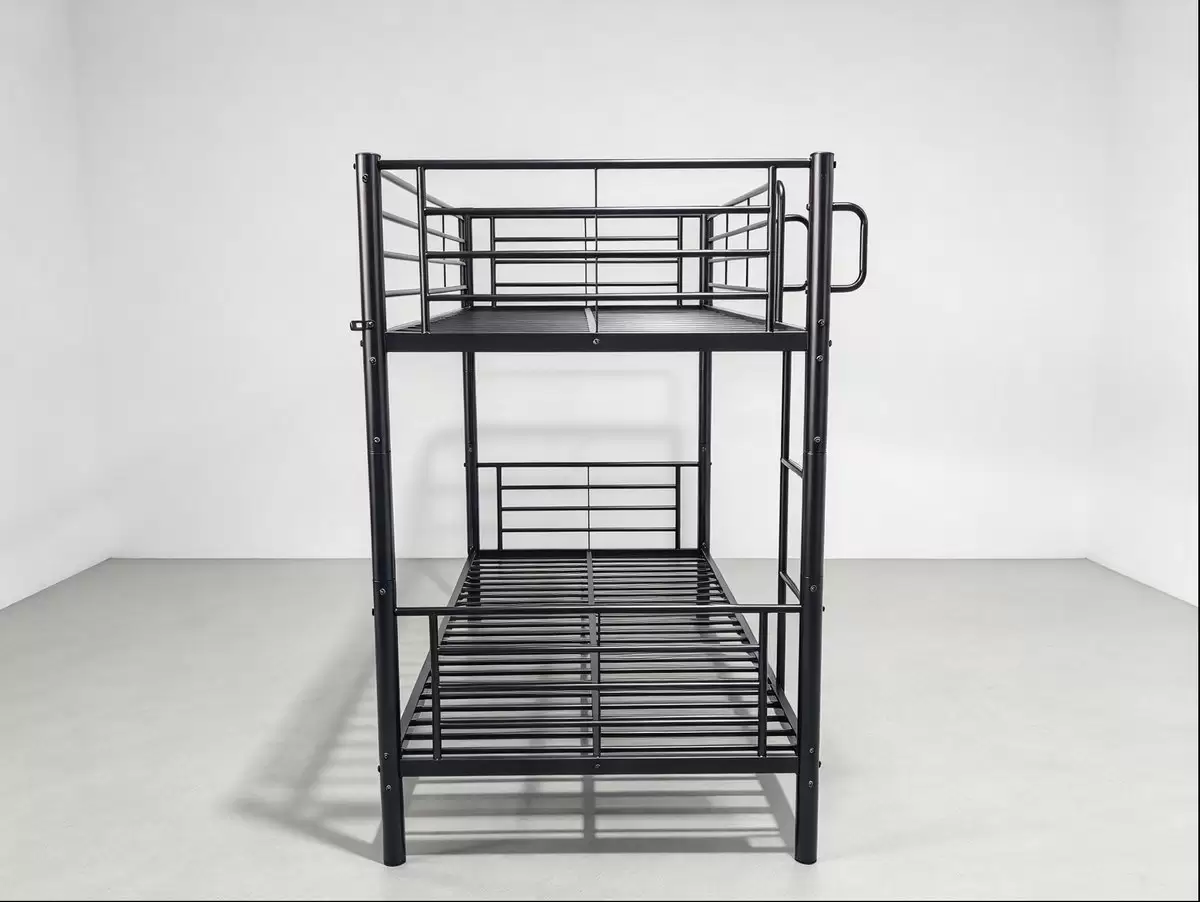
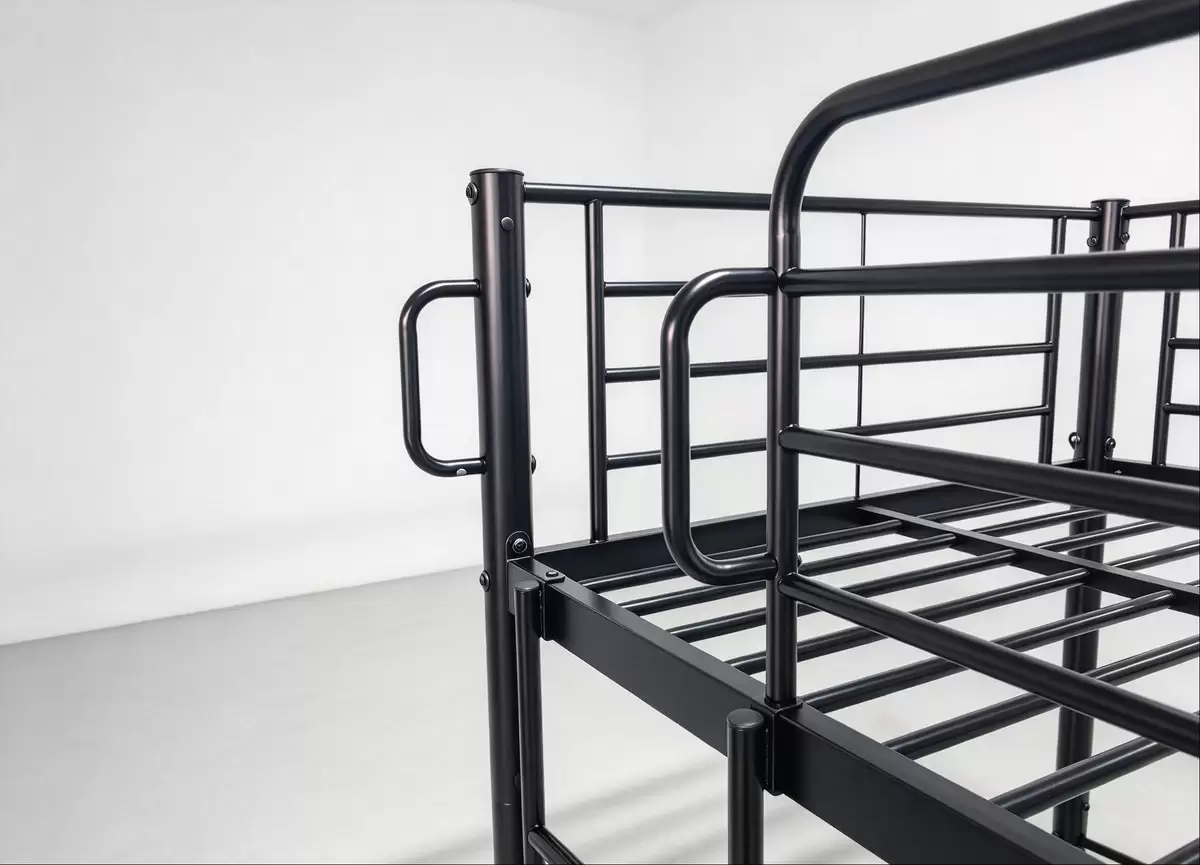
| Construction | Fasteners, guardrails, climbing access, gaps and openings, sharp edges and points, protrusions and snag points |
| Safety and performance | Stability, entrapment hazards, fixing of the upper bed, joint fatigue, impact tests, static loads on guardrails and treads |
| Marking | Legibility and durability of permanent marks |
| Information | Information leaflet supplied with the bed |
Our test report: steel bunk bed, tested by an independent laboratory
In 2024 we submitted one of our steel bunk beds for full independent testing at the TÜV SÜD laboratory in Shanghai. The report (no. 70.404.24.11578.01, issued 1 August 2024) was addressed to the Australian importer who ordered the bed. We have left the client and factory names out of this article for privacy, and we share the full report with buyers on request.
| Item | Detail |
|---|---|
| Product | Steel bunk bed, powder coated finish |
| Size | 2012 × 995 × 1710 mm |
| Weight | 42.7 kg |
| Testing window | 27 June to 1 August 2024 |
| Standards applied | AS/NZS 4220:2010 (full standard) plus the design requirements of Consumer Protection Notice No. 1 of 2003 |
| Result | Pass on all tested items |
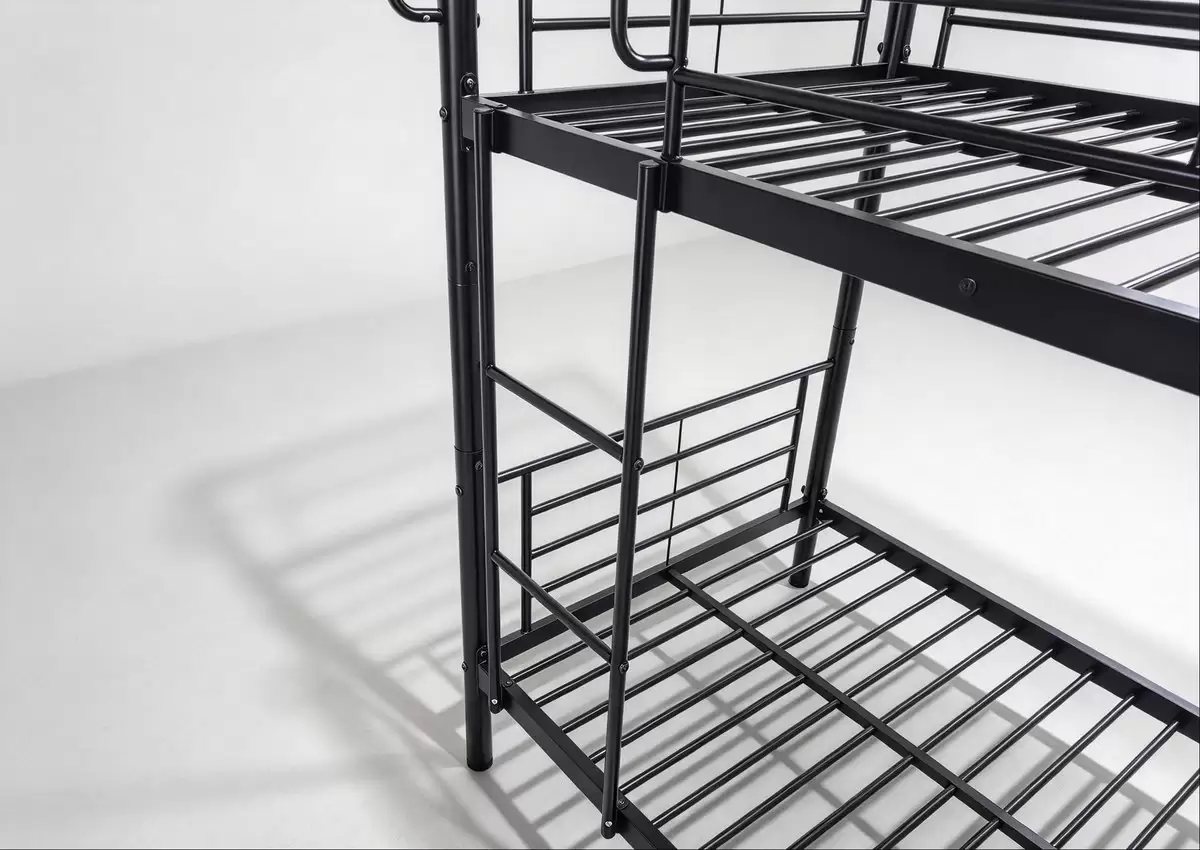
The coating was also checked for migration of eight heavy metals under AS/NZS ISO 8124.3:2021. Lead, cadmium, chromium, mercury, arsenic, antimony and selenium all came back not detected. Barium measured 317 mg/kg against a limit of 1000 mg/kg.
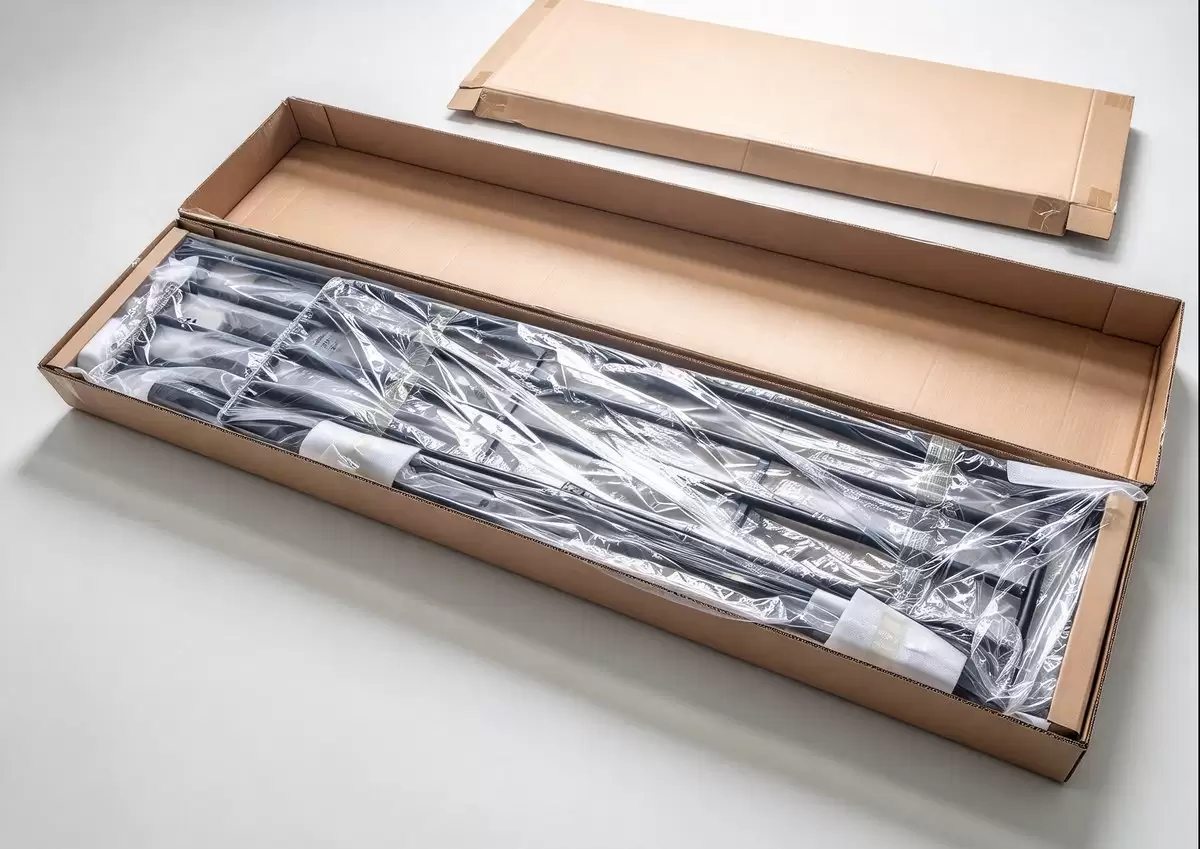
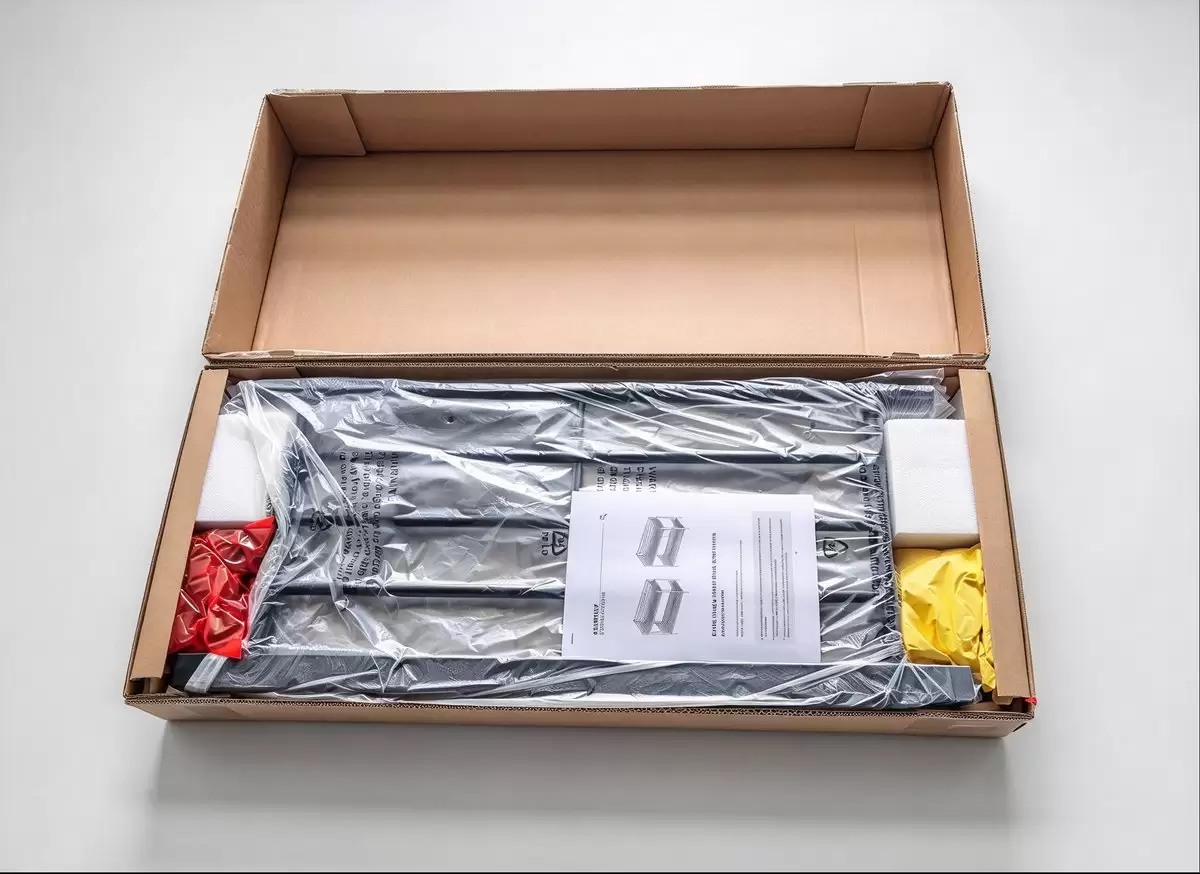
Packaging matters as much as the frame once a container is involved. These beds ship flat packed, with hardware bags and an assembly leaflet in the carton, which is also a tested requirement of the standard.
What changed in the 2026 edition?
AS/NZS 4220:2026 replaces the 2010 edition. Reports to the 2010 edition remain valid evidence of what was tested, but new purchase specifications should reference the 2026 edition. The changes that matter most to buyers:
- Two use levels: Level 1 for normal domestic use, and a new Level 2 for severe domestic and commercial use. Camps, holiday parks, hostels and worker accommodation sit in Level 2 territory.
- A higher maximum bunk bed height allowance.
- New ventilation requirements for bed bases and storage.
- Requirements covering shear and squeeze points.
- Rungs, steps, stairways and access platforms are now defined separately.
- The impact load test on guardrails was replaced with enhanced static load tests.
- Updated marking and consumer information requirements.
If you are furnishing a holiday park, a camp or staff quarters, ask suppliers to quote against Level 2 specifically. A generic "tested to AS/NZS 4220" claim does not tell you which level was assessed.
Five checks before you place an order
- Ask for the full test report, not a one page certificate. The report shows the sample, the dates and every clause result.
- Check which edition the report covers: 2010 or 2026.
- Compare the tested sample with what you are buying: size, weight, material and finish.
- Confirm the report includes the mandatory Consumer Protection Notice design items, not only the parts of the standard that sit outside the notice.
- Confirm that marking and the information leaflet are part of the supply, since both are tested requirements.
Common questions
Is AS/NZS 4220 mandatory for bunk beds in Australia?
Does EN 747 certification satisfy the Australian requirement?
What is the difference between AS/NZS 4220:2010 and AS/NZS 4220:2026?
What is Level 2 in AS/NZS 4220:2026?
How long does AS/NZS 4220 testing take?
Can I see the test report before ordering?
Sources
- Standards Australia — AS/NZS 4220:2026 Bunk beds and other elevated beds (published 26 June 2026). Standards Australia announcement
- Australian mandatory standard for bunk beds — Consumer Protection Notice No. 1 of 2003 (Queensland Government product safety). Queensland Government
- TÜV SÜD test report No. 70.404.24.11578.01, issued 1 August 2024 (independent laboratory, Shanghai). Full report available on request.
Bunk beds for the Australian market
We manufacture powder coated steel bunk beds in Tianjin, China, and supply them flat packed for efficient container loading. Our range covers bunk beds and dormitory projects. For Australian buyers we keep dedicated pages on metal bunk beds for Australia and Australian compliance, and if you also sell in Europe, our EN 747 guide covers that side.
Ask us for the AS/NZS 4220 test report, a quote, or both.
