
Dropshipping vs Bulk Import for Metal Beds | Zehao Furniture
Dropshipping looks free and bulk importing looks risky, so most furniture sellers default to the first and plateau. The honest comparison is different: each model fails in a different way, and the profitable middle ground - small-batch import at a 50-piece MOQ - is available to far more sellers than realize it.
This article compares the two models specifically for metal bed frames: what each one does to your margin, your delivery promise, and your review profile. It is written from the factory side; we supply both e-commerce sellers and traditional distributors, and we will tell you plainly where our interest aligns with yours and where it does not.
How the two models actually work
With dropshipping, you list a product and a third party ships single units from a warehouse - often the factory's domestic stock. You hold no inventory and earn the spread between retail and the per-unit dropship price. With bulk import, you buy a production run, own the stock, and fulfil from your own or a 3PL warehouse. Cash flows later in the dropship model and earlier in the import model; almost everything else follows from that difference.
Margin: the spread vs the landed cost
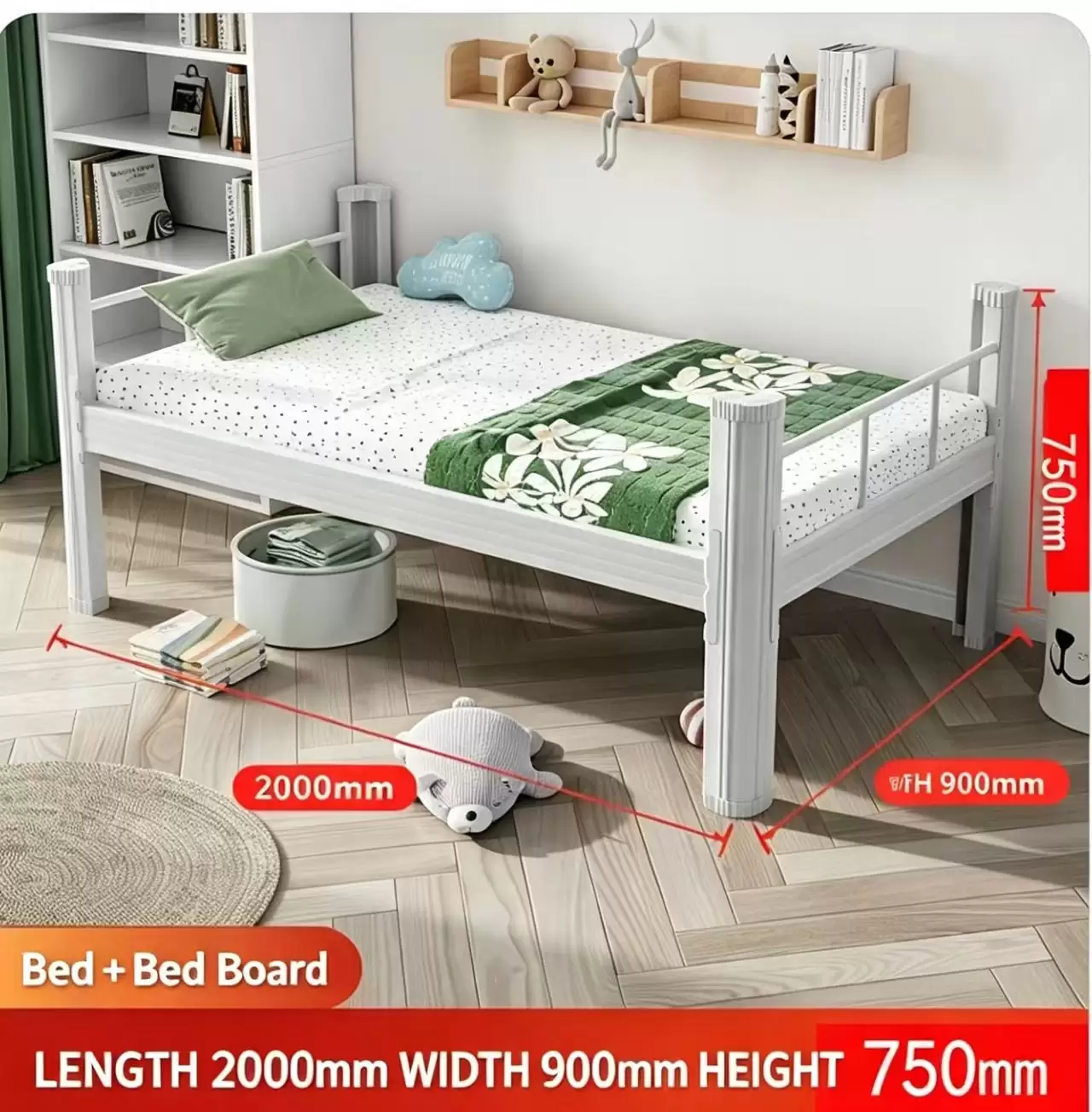
A dropshipped bed carries a per-unit price that bundles production, single-unit packing, and handling - typically far above the factory price for the same bed in bulk. An imported flat-pack bed carries the factory price plus freight and fulfilment, which per unit is usually lower - but only if the container is well utilised and the model actually sells. Flat-pack helps here: a metal bunk bed knocks down into cartons, so a 40-foot container holds a serious number of sellable units and the freight per bed drops accordingly.
The real risk in the import model is not cost but selection - buying 300 units of the wrong model. Which is why MOQ matters more than unit price when you compare factories.
Delivery time and the review profile
Dropship delivery for furniture from China typically runs weeks and offers no installation support, and negative reviews attach to your listing, not to the dropshipper. Imported stock fulfilled locally delivers in days, and you control the unboxing experience - carton strength, labelled boxes, complete hardware packs. For a category like bed frames, where a dented corner or a missing bolt becomes a one-star review, delivery control is not a luxury. It is the listing's life expectancy.
The middle path: small-batch import at 50-piece MOQ
Our minimum order is 50 pieces per model, and models can be mixed in one container. That turns the classic "import or dropship" dilemma into a sequence: import 50 units of a model, confirm the review profile and delivery performance, then either scale that model or rotate to the next. Several sellers we work with run two to four models this way and add a model per quarter. The trade terms - deposit, lead time, warranty - are the same as for large distributors, and are published on our trade terms page.
When dropshipping is still the right answer
Fairness requires the other side. Dropshipping makes sense when you are validating a market you do not yet understand, when cash is genuinely constrained, or when you sell oversized assembled furniture that flat-pack metal beds do not compete with. It also pairs well with import as a hybrid: dropship the long tail, import the two or three models that prove demand.
Do you offer single-unit dropshipping?
How much capital does a first small-batch import need?
Can I test several bed models in one order?
What if the model I import does not sell?
Last updated: September 2026. Not sure which model fits your store? WhatsApp +86 155 1090 8182 or email zehao@zehao-world.com with your market and budget - we will give you a straight answer, including "not yet".
