
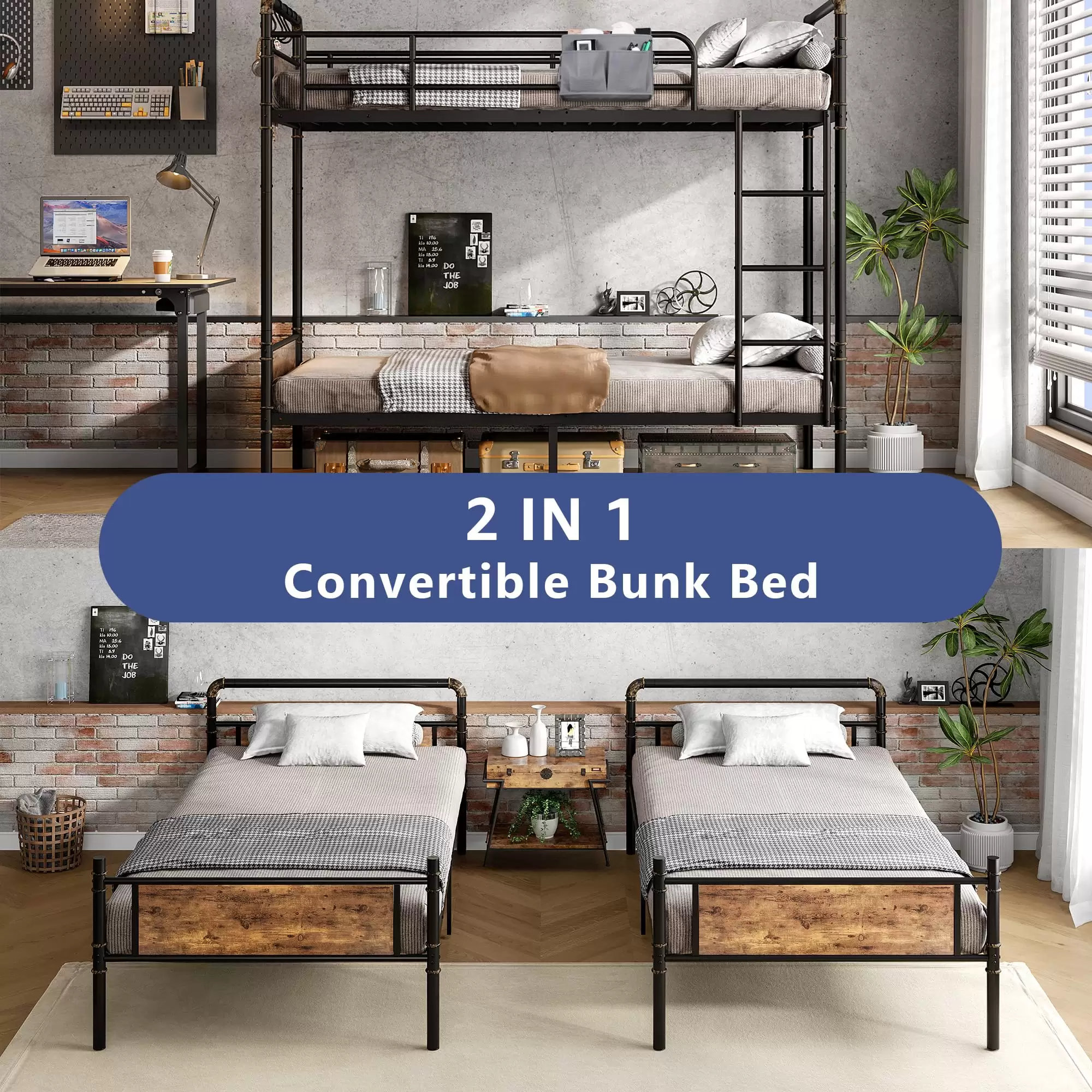
On 5 November 2026 the State Council published China's 2027 holiday calendar. Spring Festival — Chinese New Year — runs 5–13 February 2027, a nine-day block with make-up workdays on 31 January and 14 February. For any importer buying from a bunk bed manufacturer in China, that date is the single most disruptive event of the year. Factories begin throttling output in mid-January, the line effectively stops in the last week of January, and full capacity does not return until after the Lantern Festival, around 20 February, often slipping into March.
This year the shutdown lands on top of a buying wave. Chinese furniture exports jumped 14.7% in November as buyers front-loaded orders ahead of tariff deadlines and the EU's anti-dumping duties — 86.8% on hardwood plywood — pushing more specifiers toward metal beds. Container space is tightening even as spot rates soften (the SCFIS Europe index read 2,198.66 on 9 November, down 4.6% week-on-week). The practical result: the weeks before CNY are the most contested booking window of 2027. This calendar tells wholesale, OEM and ODM buyers exactly when to move.
Why CNY 2027 squeezes bunk bed buyers harder
Three forces stack up. First, the front-loading surge means the plant you want is already at high load. Second, component suppliers — powder-coat lines, carton printers, caster makers — close on their own calendars, so a bed frame can run out of cartons before it runs out of welders. Third, everyone ships in the same fortnight, so vessel and truck space peaks in December. A steel bunk that ships in early December arrives before the freeze; the same order placed in January waits six to eight weeks.
The 12-week procurement calendar
Work back from the 31 January slowdown. Here is the window we recommend to wholesale and project buyers:
| Week (from today) | Action | Why it matters |
|---|---|---|
| Week 1–2 (now) | Lock specifications, request quotes with validity dates | Steel and freight quotes drift weekly; a 30-day validity protects your budget |
| Week 3–5 | Confirm MOQ per model, pay deposit, release PO | Secures a production slot before the January bottleneck |
| Week 6–8 | Finalise OEM/ODM drawings, book 40HQ space | Carrier space and cartons are the first to run short |
| Week 9–10 (by mid-Dec) | Goods finished, inspected, stuffed into container | Last safe sea departure before the line stops (~28 Dec) |
| Week 11–12 | Hold safety stock; plan Q2 re-order | Factories restart slow; QC early shipments carefully |
Container loading: how many units fit a 40HQ
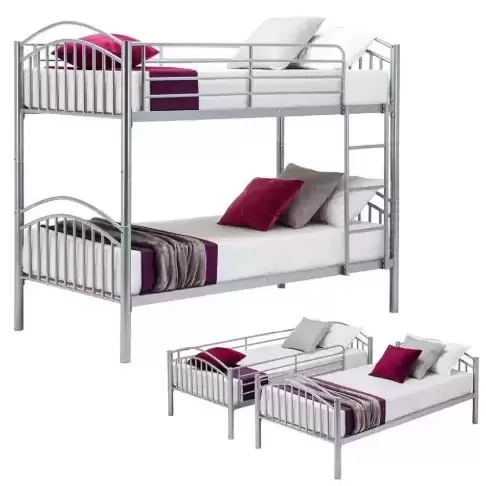
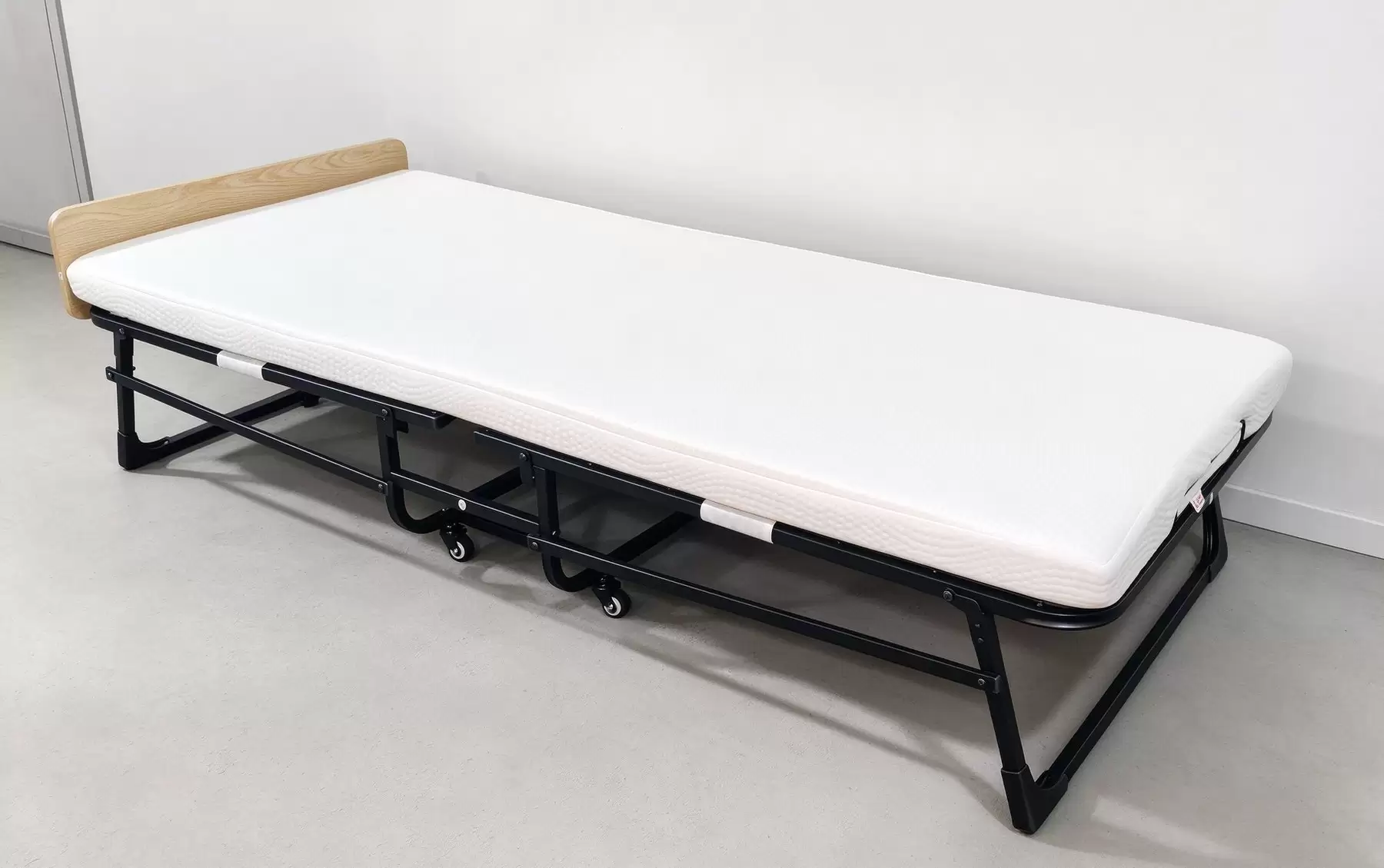
Knocked-down steel bunk beds pack flat. A twin-over-twin set typically occupies 0.35–0.45 cbm across two cartons, so a 40HQ (about 68 cbm usable after dunnage) carries 150–180 sets. A folding bed is far denser at 0.12–0.20 cbm, fitting 350–500 units per box. Most buyers mix models to hit a full container and spread the MOQ across a family of SKUs rather than over-committing to one. Ask your supplier for the exact carton dims per model — a 2 cm saving per carton can add a full pallet position.
Lead time and the deposit math
A standard lead time is 25–35 days production plus 30–40 days ocean transit to Europe or North America. To arrive before CNY, your purchase order should be in hand by early December at the latest. If you are negotiating OEM/ODM tooling or custom colours, add two weeks for sample approval. A 30% deposit now beats a 100% panic buy in January, when the same slot costs more and ships later.
One fact buyers forget: after the holiday, 20–30% of line workers do not return to the same employer. The first shipments out of a restarted plant — roughly late February to mid-March — run below full capacity and carry more quality variance. If your project cannot absorb that risk, front-load your volume into the December departure and treat any March arrival as inspection-heavy. That single decision protects more delivery dates than any negotiation on unit price.

Specs to lock before you sign
The shutdown is not the time to discover a compliance gap. Pin down the standard your market requires and request the test report upfront:
- EN 747 — the European bunk bed safety standard; pair it with GPSR documentation for EU tenders.
- AS/NZS 4220:2026 — the updated Australian standard for student housing and mining camps (see our breakdown).
- SGS load testing — request the certificate with your project name on it, not a generic copy.
- Full certifications pack on our certifications page, and past installs on reference projects.
Build a CNY-ready purchase order
A purchase order written for the shutdown removes ambiguity that slows production. Include, per line: model code and colour, carton label and destination port, incoterms (FOB or CIF), the inspection standard (EN 747, AS/NZS 4220 or your own AQL), and the MOQ break per SKU. Spell out the container loading plan — how many of each model per 40HQ — so the factory packs to your mix rather than its default. Buyers who send this in November get a confirmed slot; buyers who send a one-line email in January get a quote and a six-week wait.
What to do this week
Send your quantities and target market to the factory, ask for a quote valid 30 days, and request the product catalogue with carton dimensions so you can model your own container fill. Buyers who confirm in November ship in December; buyers who wait until January ship in March. The calendar above is the difference.
Ready to plan your CNY 2027 order? Email zehao@cntjzh.com or message us on WhatsApp for a quote with carton specs and current lead time. Wholesale, OEM and ODM programs available with documented EN 747 / AS/NZS 4220 / SGS compliance.
