
On 16 November 2026 the European Commission published Implementing Regulation (EU) 2026/2547. From the next day, uncoated cold-rolled steel sheet from five countries — India, Japan, Taiwan, Türkiye and Vietnam — carries a definitive anti-dumping duty of 3.0% to 27.9% on entry into the EU. If you buy finished bunk beds, here is the part worth reading twice: this duty applies to raw flat steel under CN headings 7209 and 7211, not to a finished bed under 9403. It does not name China. But it will still move your quotes, and it is already being quoted out of context by sellers who want a reason to raise prices. This piece separates the two.
What the ruling actually says
The investigation opened in September 2025 after EUROFER complained. The Commission found imports from the five countries had risen 28% to 1,687,020 tonnes — 23% of the EU free market — while average prices fell 34%. The duty is set per producer, and the invoice needs the exact Article 1(3) declaration or the higher country rate applies. Rates by origin:
| Origin | Definitive duty | Note |
|---|---|---|
| Türkiye | 3.0% (Tatmetal); 7.8% (Borçelik, others) | Lowest rate in the measure |
| India | 9.5% | JSW, Tata and all others |
| Vietnam | 16.0% | Applies to all producers |
| Taiwan | 20.7% (China Steel, Chung Hung); 27.0% others | Cooperating vs residual |
| Japan | 27.9% | Highest in the measure |
Stainless, electrical steel, silicon steel and sheet under 0.35 mm are excluded, and so is galvanised or coated sheet. Imports registered between December 2025 and 16 November are not taxed retroactively, because the Commission imposed no provisional duty. That last detail matters: anyone telling you a 27.9% surcharge is already sitting on every EU steel order this year is wrong.
What it changes for a finished-bed buyer
Three things, in order of how much they affect your next PO.
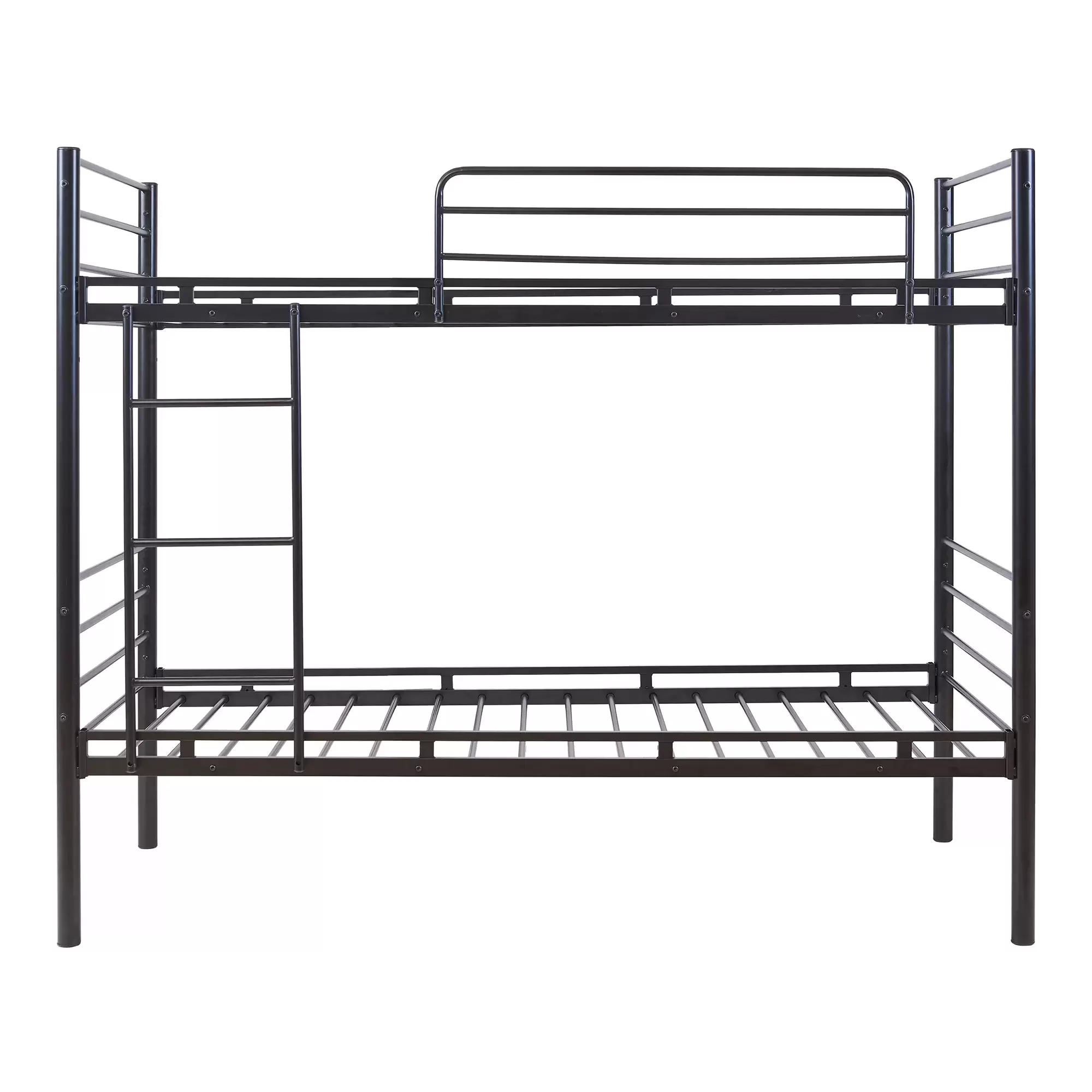
1. Your container is likely outside the measure. A steel bunk bed ships as finished furniture under heading 9403. The regime covers coil and sheet under 7209/7211. If a supplier adds a "new EU steel duty" line to a finished-bed quote, ask them to show the CN code they are classifying. Most of the time it will not hold up.

2. EU-fabricated alternatives just got dearer. The measure explicitly lists metal furniture, shelving and storage systems as downstream users. A European fabricator buying Japanese or Taiwanese sheet now pays up to 27.9% more at the frontier on that input. The Commission's own file says sheet is "only a limited share" of downstream production cost — but no user answered its questionnaire, so nobody measured how much. Expect EU-made quotes to firm, not collapse. That is the opening for a factory-direct metal bed quote to look competitive on a like-for-like tender.
3. It is separate from the two steel measures you have already read about. Section 232 steel sits at 25% base through 31 December 2027. The EU steel safeguard caps imports at 18.3 million tonnes a year with 50% above the quota. This anti-dumping duty is a third, narrower instrument, and it landed 139 days after the safeguard. Three mechanisms, three different lines on a landed-cost sheet — keep them apart when you compare quotes.
A four-question audit for your next quote
- Classification. Ask for the HS/CN code of the shipped item. Finished beds are 9403; sheet is 7209/7211. Get it in writing on the proforma.
- Steel origin. Request a mill certificate or origin declaration for the coils used in your order, especially on OEM/ODM bunk bed runs. It is the only way to answer a customs question without guessing.
- Price validity. Hold suppliers to a dated window — 30 days is normal. A duty story used to justify an open-ended price is a negotiation tactic, not a cost.
- Spec constants. Duties move; standards do not. Keep EN 747, GPSR and SGS load-test documents in the tender pack, and for Australia the AS/NZS 4220:2026 report. See our EU compliance notes for what the paperwork has to show.
Where the real money sits: container math
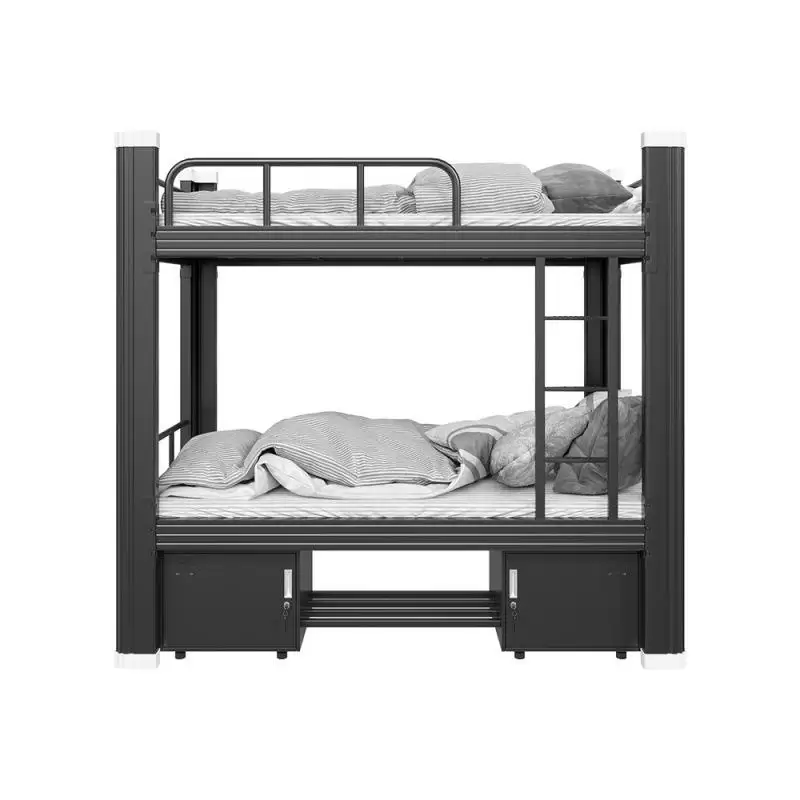
Freight, not a 9.5% sheet duty, decides most of your landed cost. Asia–North Europe spot traded around $3,000–$3,500 per 40ft in early November, and Drewry's Shanghai–Rotterdam index read $3,686 on 29 October. A 40HQ gives roughly 76 CBM of usable volume, so a flat-pack folding bed and a knocked-down bunk frame cube out long before they weigh out. The practical lever is design: how many berths you fit per container, and whether the frame ships knocked down. That is a bigger number than the duty line anyone is arguing about.
What we build for this market
Zehao Furniture is a Tianjin bunk bed manufacturer supplying wholesale, OEM and ODM buyers for dormitory, hostel and institutional projects. Standard MOQ is one 40HQ per model, mixed models can share a container, and lead time runs 30–45 days after deposit. Powder coating, guardrail height and anti-tamper hardware are specified per project, not per catalogue page. Ask for a bill of materials, the drawing pack and a container-loading plan before you compare prices. Browse the catalogue or read a completed project first.
Need a quote that separates steel cost from duty noise? Send your berth count, target port and certification list to zehao@cntjzh.com — we will return a 40HQ loading plan with the HS codes and a dated price validity.
