
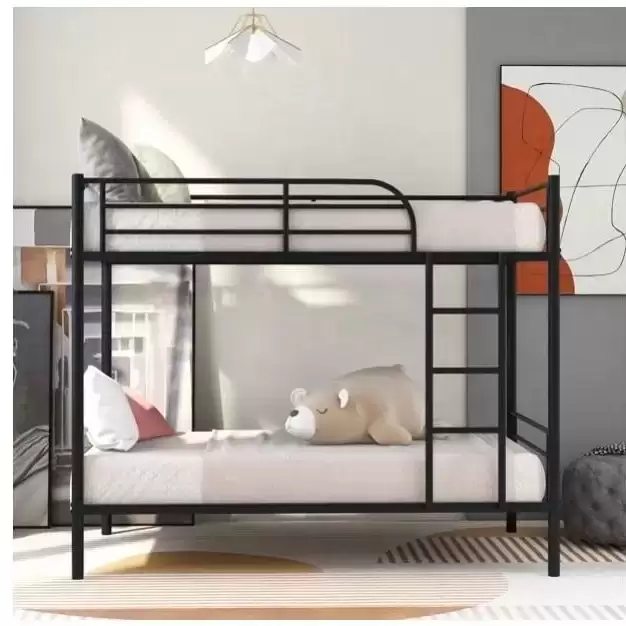
The last week of October is when 2027 project budgets get locked. It is also when procurement teams find that the supplier they used in 2024 no longer fits the brief. Two things moved this quarter. A 50% U.S. tariff on finished furniture and core materials from Canada took effect on 19 August 2026 under Section 338, overriding USMCA origin rules for the first time. And the Fall 2026 High Point Market, which closed on 21 October, showed the split in the trade plainly: residential retail is contracting while contract, hospitality and institutional furniture is the segment still taking orders.
If you specify bunk beds for student housing, mines, hostels, prisons or senior-living projects, this is the moment to run a proper factory audit. Not a vendor questionnaire — an audit. Below is the checklist our own B2B buyers use, written so you can drop it straight into a tender annex.
Why re-audit now, not in March
Three signals from this month's trade data point the same way. The Furnishings Digest October 2026 issue reports U.S. steel-mill products up 23.4% year on year and aluminium shapes up 27.3%, with diesel near $6.20 a gallon after a September peak of $6.53. The Furniture Times' mid-October global roundup notes contract furniture "gains prominence" as hospitality, offices and institutional projects offset weak residential demand. And the WTO's October 2026 update still projects 3.9% merchandise-trade growth, so the real 2027 risk for buyers is material and freight volatility — not demand collapse.
Put those together and the buyer's problem is concrete: prices are moving, lead times are stretching, and North American teams that leaned on Canadian supply are now re-sourcing. Auditing a bunk bed manufacturer in Q4 lets you fix specification, price and Incoterms before the sailing dates, while freight is still the only variable that is actually moving.
The 2026 manufacturer audit checklist
1. Certifications and test reports, not claims
Ask for the certificate and the underlying test report, both dated within 24 months. For Europe the reference is EN 747 (bunk beds and high beds); for Australia and New Zealand it is AS/NZS 4220:2026. A load test to SGS protocol at 200 kg per berth, an ISO 9001 quality system, and GPSR/REACH files for the EU market are the four documents that should reach you before you sign. Our current set is on the certifications page.
2. OEM/ODM and engineering capability
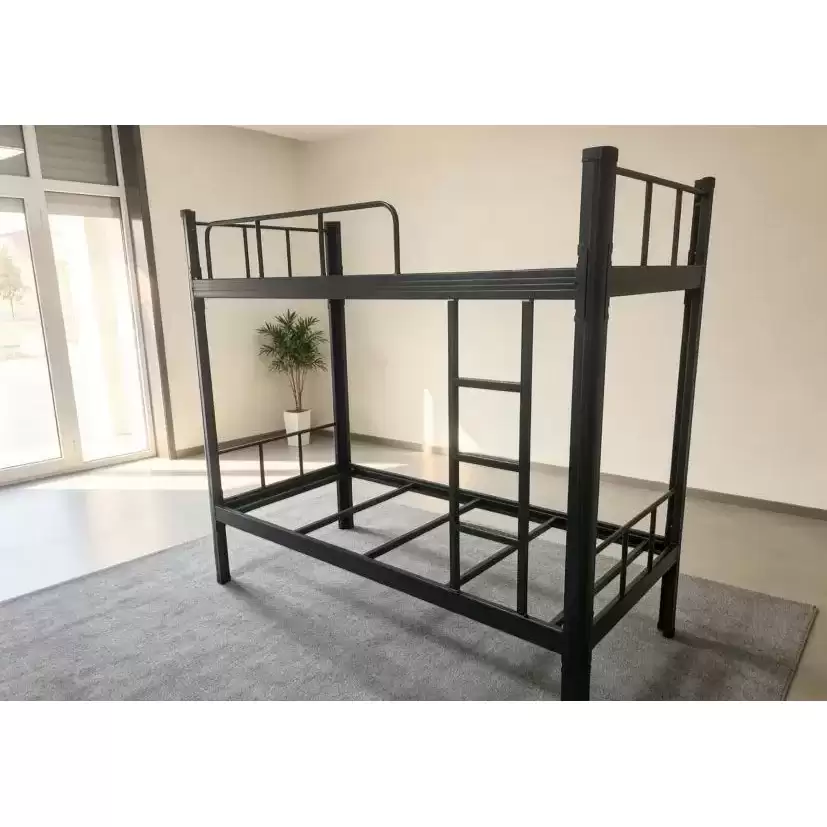
A real OEM ODM bunk bed factory shows you drawings before it shows you a price. Confirm it can hand you 2D and 3D drawings, adjust gauge and height to your spec, and turn a sample inside a stated window. Customisation that lives only in a sales deck disappears the day you order 800 units. See how we engineer a frame before production in our reference projects.
3. MOQ and production lead time
Write the minimum order quantity and the per-batch lead time into the purchase order, not the email. For welded institutional frames, typical MOQ runs 50–200 units with 25–40 days production after deposit; knock-down flat-pack lines can compress both. Ask what happens at two times and five times volume — that is where hidden capacity limits surface.
4. Container loading and packed volume
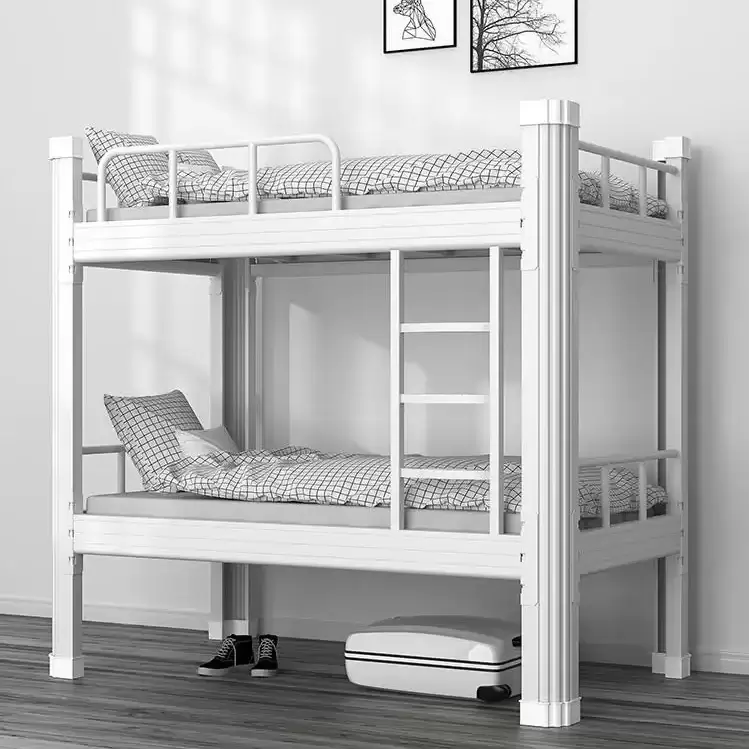
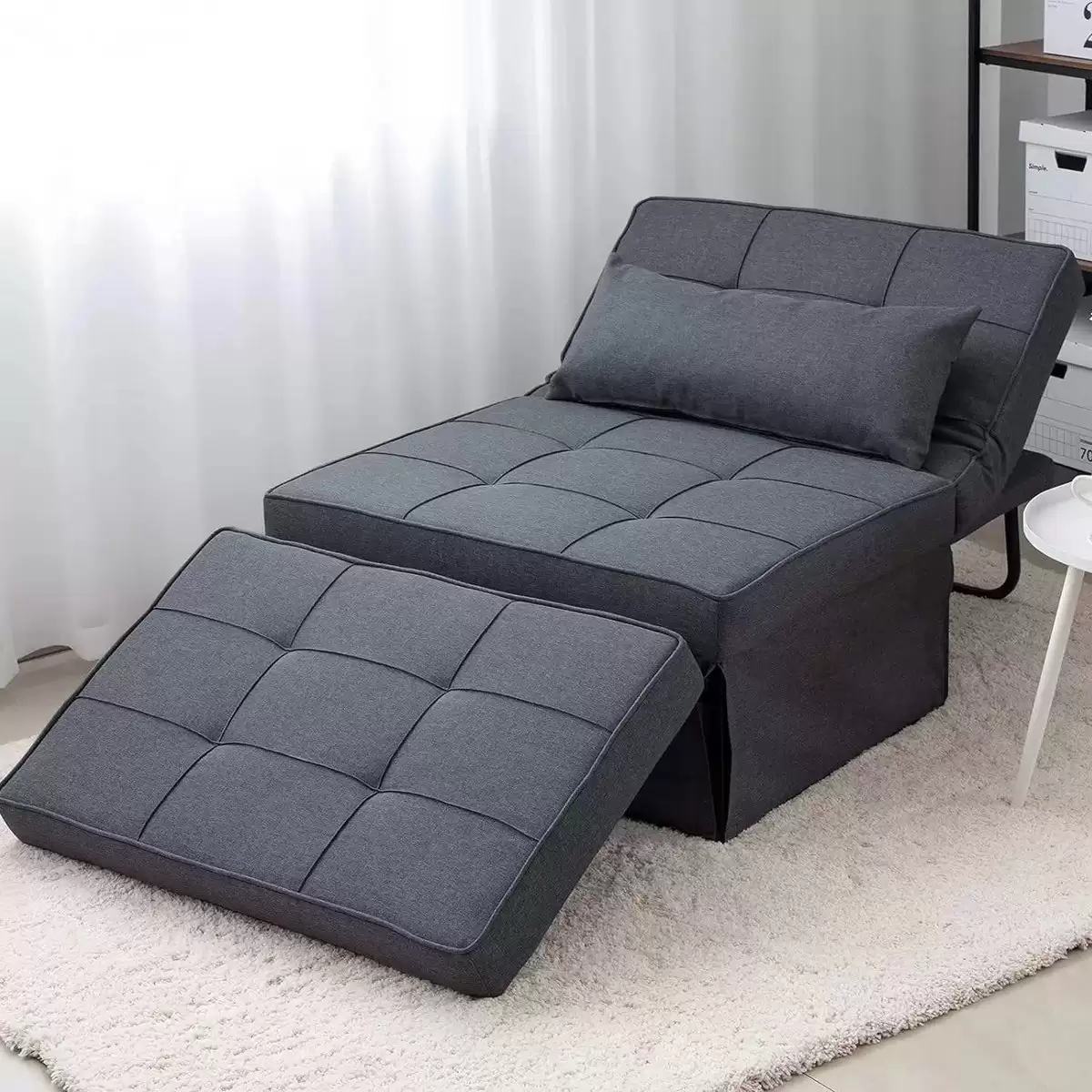
Request one number beside the unit price: packed CBM per berth. A welded frame ships as a fixed volume; a knock-down frame flat-packs and multiplies units per 40HQ. On a 40-foot high cube you should see 80–140 berths depending on configuration. That single figure decides whether your freight bill is predictable or a surprise. Our folding-bed range is built for exactly this — dense container loading on aid, camp and disaster-relief projects.
5. In-house quality control
Load testing, weld inspection and pre-shipment inspection should happen inside the factory, with photos you can see. A supplier that outsources QC to a third party two weeks before sailing is handing you risk, not assurance. The steel-versus-wood comparison matters here: an all-steel welded frame skips the timber due-diligence file that EUDR now requires for wood products from 30 December 2026.
6. Commercial terms
Pin down payment structure (deposit plus balance against bill of lading), Incoterms (FOB, CIF or DDP) and warranty length. For government and tender work, a written warranty and spare-parts availability beat a lower unit price every time.
A copy-paste supplier scorecard
| Check | Pass criterion | Your note |
|---|---|---|
| EN 747 / AS/NZS 4220 certificate | Valid, issued within 24 months | |
| SGS load test, 200 kg / berth | Report on file, not just a claim | |
| ISO 9001 quality system | Current certificate | |
| OEM/ODM drawings | 2D/3D supplied before quote | |
| MOQ and lead time | Written into the PO | |
| Packed CBM per berth | Stated for 40HQ | |
| In-house QC + photos | Pre-shipment inspection shown | |
| Payment, Incoterms, warranty | Written terms |
What this means for your 2027 tender
The buyers who lock suppliers in Q4 2026 will enter 2027 with a fixed price, a known lead time and certificates already in the file. The buyers who wait until March will be quoting against steel that has moved again and a freight market nobody is calling stable. A half-hour audit using the checklist above removes most of that risk — and tells you, quickly, whether a low quote is a real saving or a specification you did not read. Either way, you walk into the tender with numbers you can defend.
Ready to audit us? Download the full catalogue, or message our team on WhatsApp / email. We will send drawings, SGS test reports and a container-loading sheet within two working days. Browse more industry notes or start a wholesale enquiry.
