

On 25 November 2026 CPSC recalled about 4,499 Easymake and 3,897 HOMEAL adult bed rails for entrapment and asphyxiation risk; the Easymake notice also cites missing warning labels. A week earlier, 2,114 Xentrawave rails were recalled after a death. None is a bunk bed and all fall under a different rule, 16 CFR 1270. The signal still matters to anyone shipping beds to the States: inspectors look at openings, guardrail height and label text, and those are decided at the drawing stage.
A second change is easier to miss. Since 8 July 2026, importers of most regulated consumer products transmit certificate data electronically to U.S. Customs and Border Protection. The rule (90 FR 1800, Docket CPSC-2013-0017) sets 8 January 2027 for goods entered from a foreign trade zone. A certificate treated as a PDF to produce on request is now out of date.
What eFiling changed, and what it did not
CPSC did not invent a new safety test. The rule changes how certificate data reaches CBP: through a Partner Government Agency Message Set in the ACE system. The importer of record files and normally creates the CPSC Product Registry account. CPSC guidance notes that where a broker lacks product knowledge, the owner, purchaser or consignee who authorised entry can be named as the responsible party.
For a steel bunk bed, the certification split is unchanged. Adult beds fall under 16 CFR 1213 and need a General Certificate of Conformity based on testing or a reasonable testing programme. Children's beds fall under 16 CFR 1513 and need a Children's Product Certificate backed by testing at a CPSC-accepted third-party laboratory. A factory that says "we have SGS" has not answered which file it is issuing.
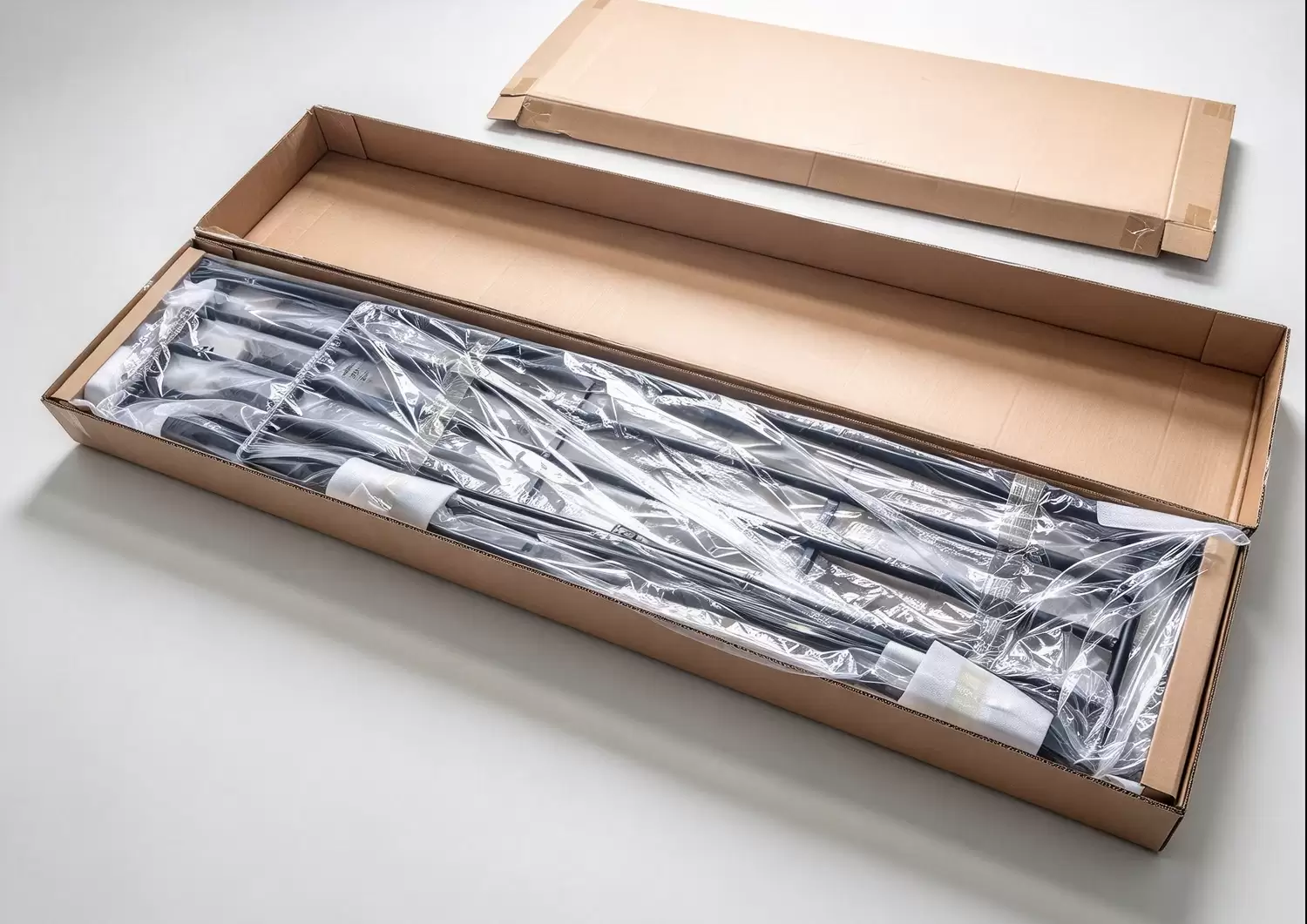
Seven data points to collect before you book the vessel
CPSC's GCC guidance lists seven required elements. Ask for them with the drawing pack, while the sample is still on your desk. Chasing them after the container is gated in turns a 30-day lead time into a 60-day problem.
| Certificate field | What to demand from the supplier |
|---|---|
| Product identification | Model or SKU that matches the drawing, carton mark and commercial invoice |
| Rule citations | 1213 and/or 1513, plus any lead or phthalate requirement that applies to the components |
| Certifying party | Name, full mailing address and telephone number of the manufacturer or importer certifying |
| Record keeper | Name, address, email and phone of the person holding the test records |
| Manufacture date and place | At least month and year; city, region and country of final assembly |
| Test date and place | Date of the report and the location where the test was run |
| Laboratory | Lab name, address and phone. A GCC may say "N/A" only if no third-party lab was used; a CPC cannot |
One caveat: eFiling transmits data, not proof. The underlying report still has to exist and be retrievable when CPSC asks for it.
The geometry that still decides the shipment
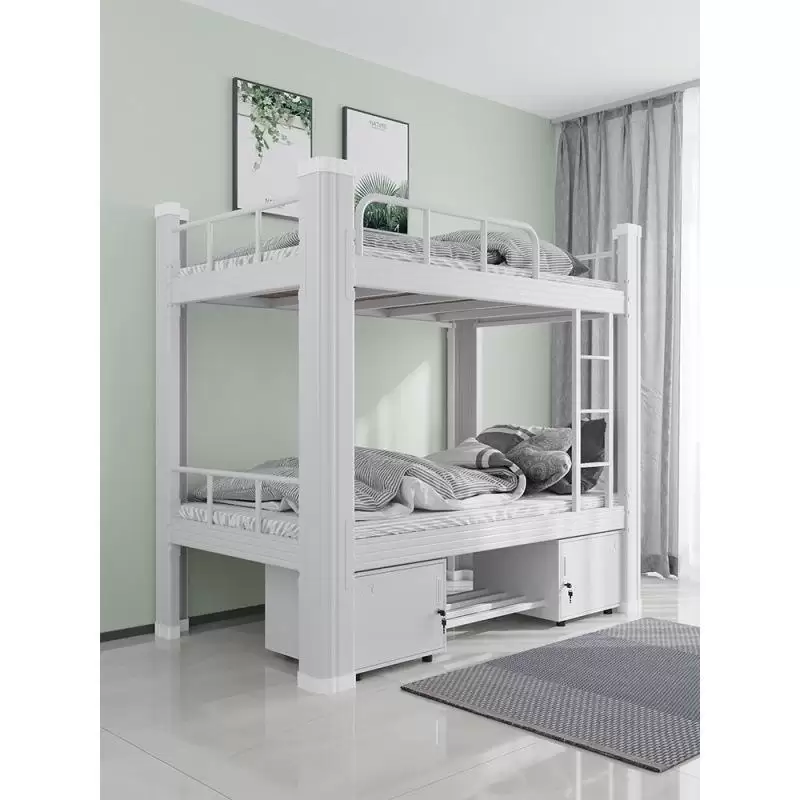
CPSC defines a bunk bed as a sleep structure with the mattress foundation bottom more than 30 in (760 mm) above the floor. The numbers below come from its test manual and FAQ for parts 1213 and 1513. Put them in the RFQ, not after the price is agreed.
- Two upper guardrails, one per side. The wall-side rail runs continuously; if it does not attach to an end structure, the gap cannot exceed 0.22 in (5.6 mm). On the non-wall side, no opening between rail end and end structure may exceed 15 in (380 mm).
- Rail tops and upper end structures must sit at least 5 in (127 mm) above the thickest mattress the supplier recommends. Mattress thickness is therefore a spec, not a sales detail.
- Three probe checks cover the guardrails and both end structures: wedge block, spherical probe, neck-entrapment probe. Lower-end openings must fail the wedge test unless a rigid 9-inch sphere passes through freely; then the neck probe applies.
- Permanent markings identify maker or importer, model and date. A warning label goes inside the upper bunk; instructions state mattress size and warn against children under six on the top bunk.
This is where a catalogue bed falls down. A supplier that cannot state the maximum mattress thickness behind its guardrail height has a design gap, not a paperwork gap.
Build the pack during sampling, not at the port
For an OEM or ODM order, work through five checks before deposit:
- One SKU, one drawing revision, one certificate record. Do not let a mixed container blur model mapping.
- Name the mattress thickness in the tender and freeze guardrail height against it. Approve English label artwork and instruction sheets in the sample carton.
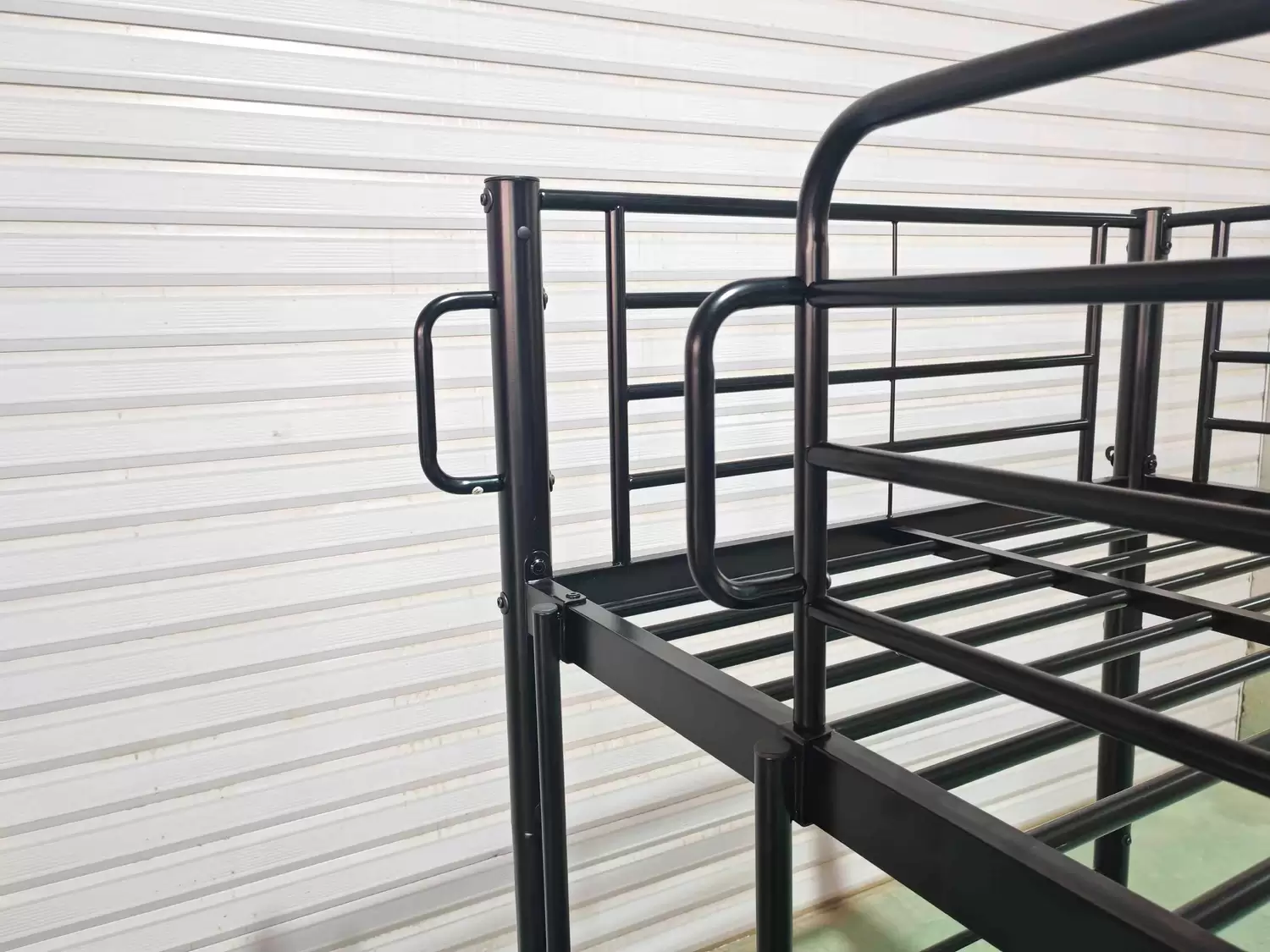
- Ask for close-up photos of the welded side-rail joints at the four corners of each bunk. CPSC's reseller guide points inspectors to cracks in paint or metal around those welds on tubular beds.
- Tie the pack to the container loading plan. A 40HQ holds about 76 CBM, so knocked-down frames cube out before they weigh out. MOQ is one 40HQ per model, mixed models can share a container, and production runs 30–45 days after deposit. Request the certificate index 10–14 days before ETD.
Keep the test categories straight. An SGS 200 kg-per-berth report says something about strength; it does not replace a 1213 or 1513 certificate. Our specification pages and project records separate the two.
One file does not fit three markets
A US file is not an EU file. Europe asks for EN 747, GPSR documentation and material declarations; Australia works to AS/NZS 4220:2026. Earlier notes on the EU compliance pack, Australian standard and supplier auditing are a starting checklist. A government-tender frame and a flat-pack folding bed need separate records even in the same container.
Sending bunk beds to the US in 2027? Email zehao@cntjzh.com with your berth count, mattress thickness, destination port and target certification list. We will return a 40HQ loading plan with the drawing and document index, so your broker is not guessing when the ACE filing is due.
